LGSS is collaborating with the Kailash Satyarthi Children's Foundation working on Acess to justice project aimed at tackling issues related to child marriage, child trafficking, child labor, and child sexual abuse. This initiative spans across 21 blocks in Lohardaga, Gumla, and Garhwa districts, encompassing over 450 villages. With a focused approach on eradicating child marriage, preventing child trafficking, combating child labor, and addressing child sexual abuse, our collective goal is to create a brighter future for every child in the region.
Levels of Engagement: Village Level: In each village, we work closely with Gram Pradhans, frontline workers, Self-Help Group (SHG) women, religious leaders, school teachers, and village leaders to raise awareness and foster a culture of child protection.
Panchayat Level: At the Panchayat level, we collaborate with key stakeholders such as Lady Supervisors, Panchayat Sachivs, Mukhiyas, and civil society staff to implement targeted interventions and support systems. Block Level: Our engagement extends to Block Education Extension Officers (BEEOs), BDO and Child Development Project Officers (CDPOs) to coordinate efforts and maximize impact at the block level.
District Level: We liaise with various district-level authorities including Child Welfare Committees (CWC), District Child Protection Unit (DCPU), Sub-Divisional Officers (SDO), District Education Officers (DEOs), DC, DDC District Social Welfare Officers , District Magistrate , and DLSA to advocate for policy changes and allocate resources for child welfare initiatives.
Activities
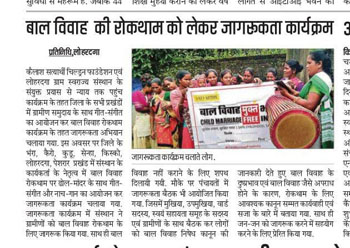
Akshaya Tritiya Campaign :- During the Akshaya Tritiya Campaign from May to June 2023, our organization, along with government officials and local police, organized events in Lohardaga, Gumla, and Garwa districts to stop child marriages. We talked to people in villages and asked them to promise not to marry off their children early. With everyone's help, we stopped 65 child marriages and reported 3 cases to the police. So far, we've gathered 301,145 promises from people in these districts. We're still working hard to stop child marriages and make sure all children have a better future.
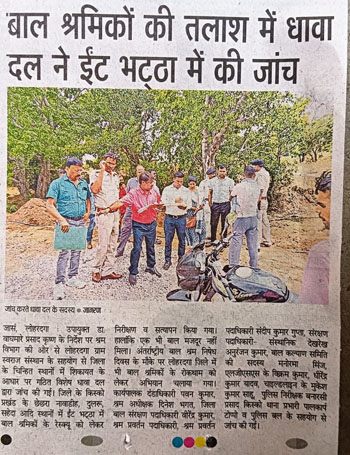
June Action Month :- During the June Action Month, LGSS conducted a focused effort to rescue children from labor and create child labor-free zones in Lohardaga, Gumla, and Garwa. Through our dedicated actions, we successfully rescued 48 children from labor situations and ensured their safety. Additionally, we facilitated the registration of 3 FIRs to address cases of child labor.
Rally during Child Labour Day :- On June 12, 2023, in observance of Child Labour Day, we organized a rally in our intervention village to raise awareness and put an end to child labor. The rally aimed to educate the community about the harmful effects of child labor and promote the importance of children's rights to education and a safe childhood.
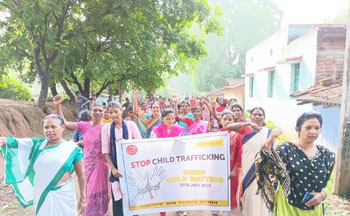
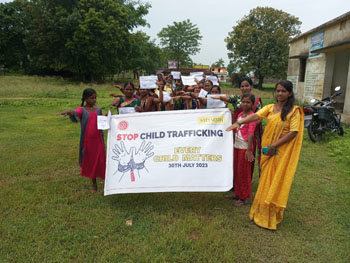
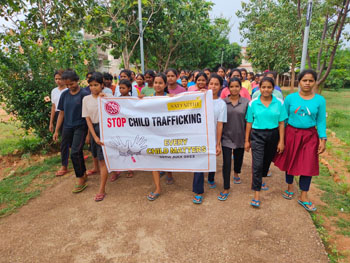
Rally during World Day Against Trafficking in Persons :- On July 30, 2023, during the World Day Against Trafficking in Persons, we mobilized rallies in our intervention villages to stand against child trafficking. These rallies aimed to raise awareness about the dangers of child trafficking and to empower communities to take action against this heinous crime.
 |
 |
 |
|||
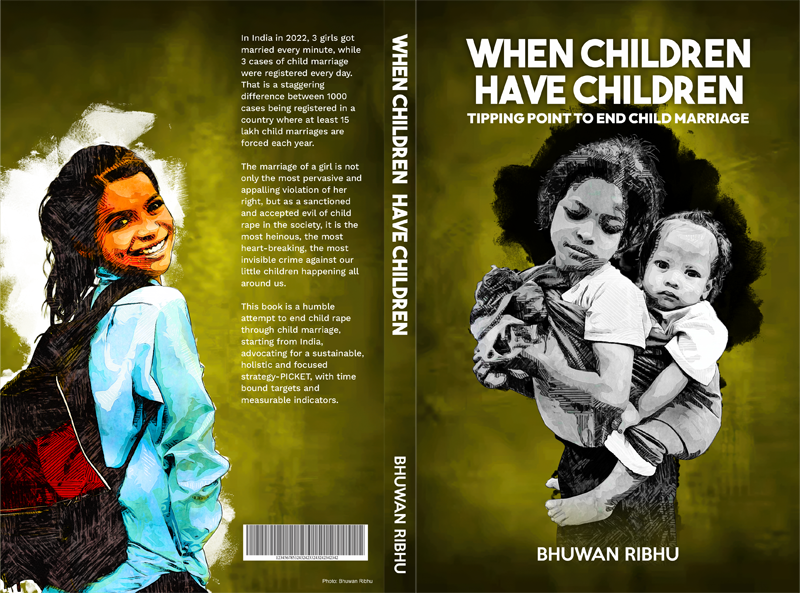
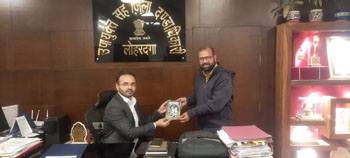
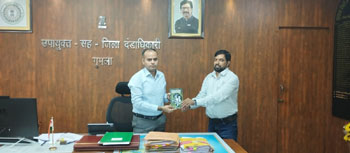
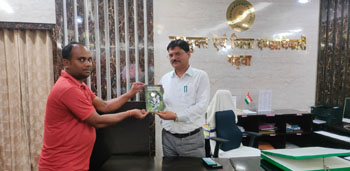
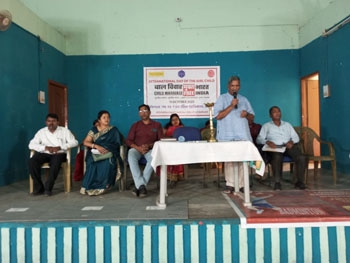
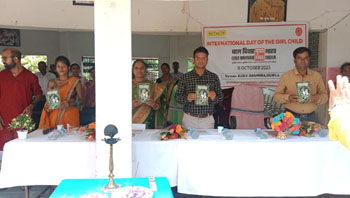
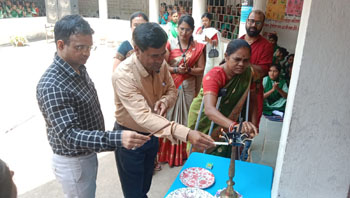
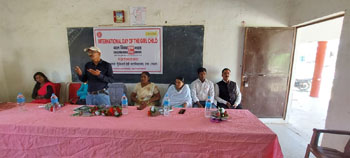
International Day of the Girl Child :- During International Day of the Girl Child, we organized events across all three districts to raise awareness about child marriage and other issues affecting children. On this occasion, we featured the book "When Children Have Children" authored by Supreme Court lawyer Bhuwan Ribhu.
 |
.jpeg) |
 |
|||
 |
.jpeg) |
 |
|||
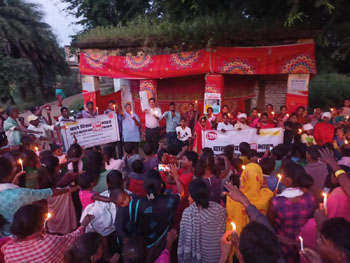
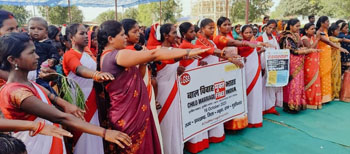
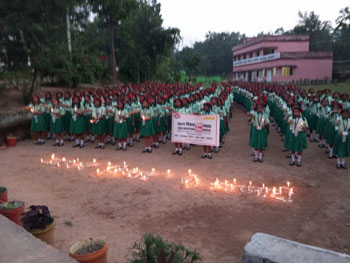
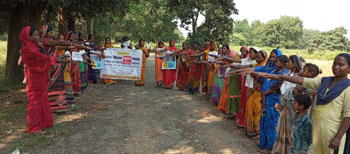
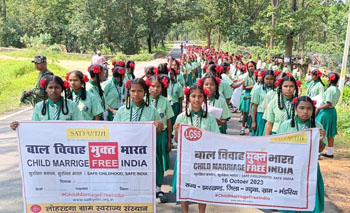
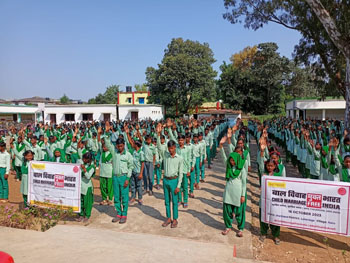
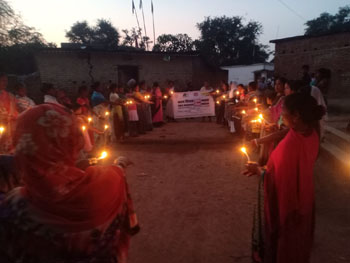
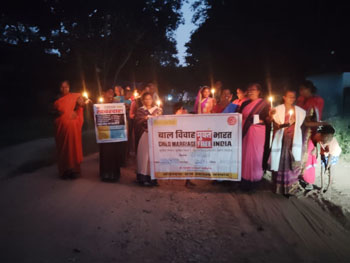
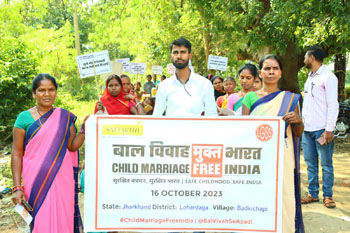
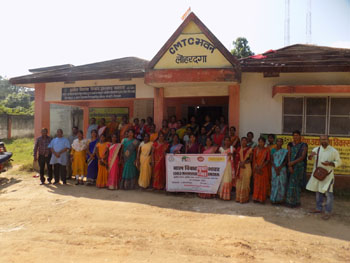
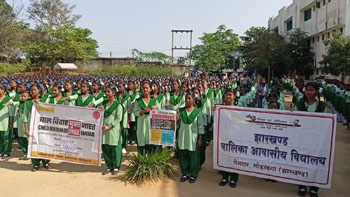
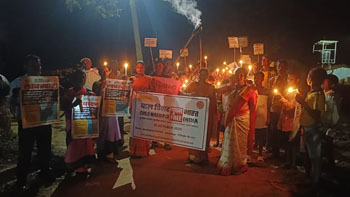
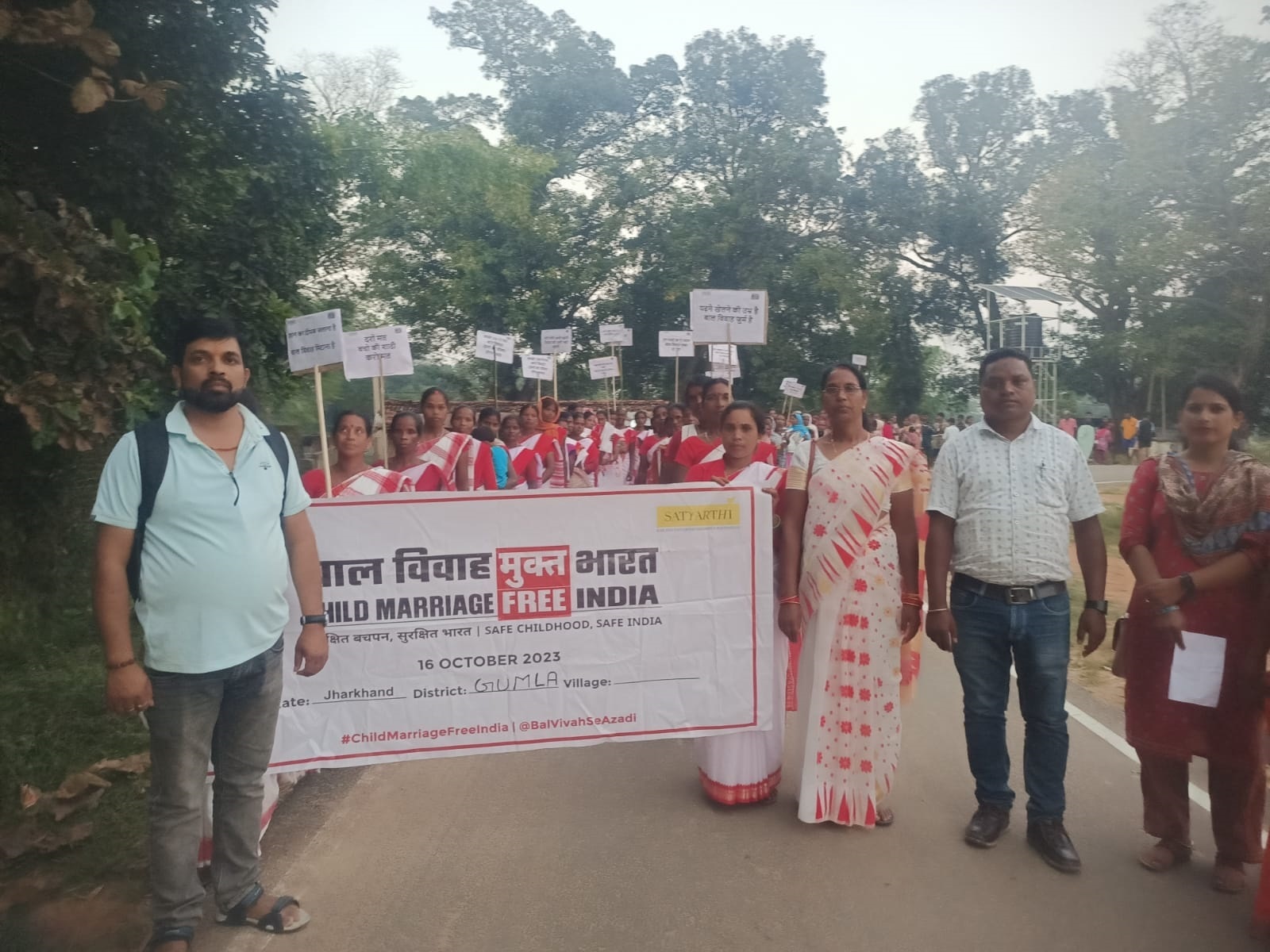
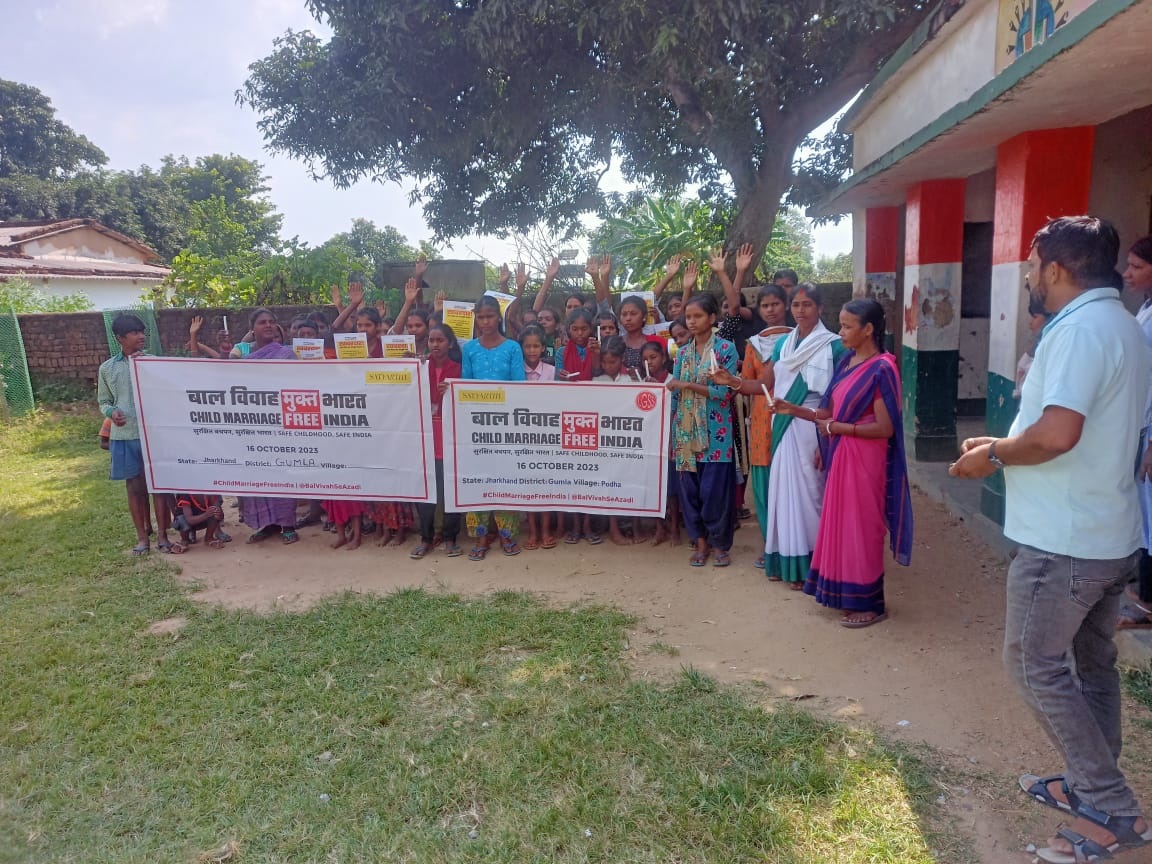
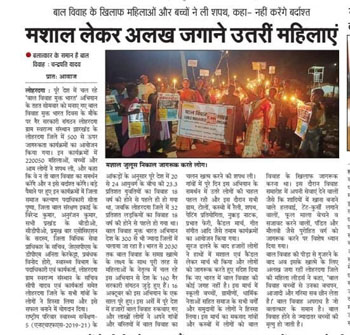
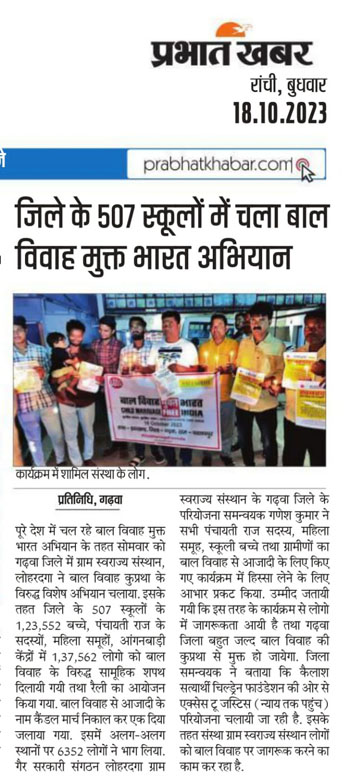
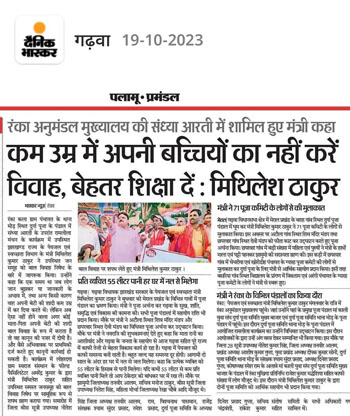
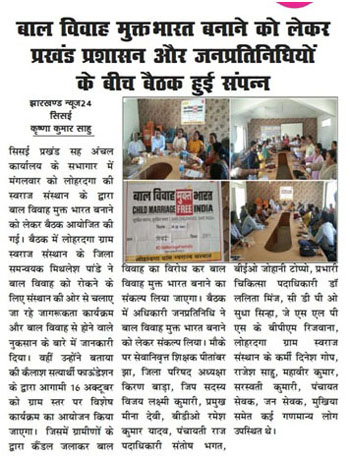
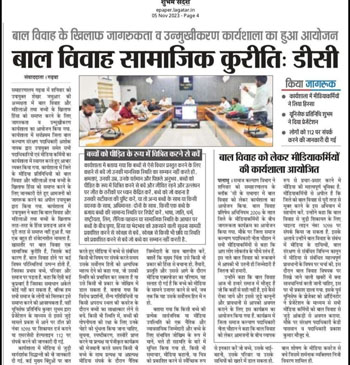
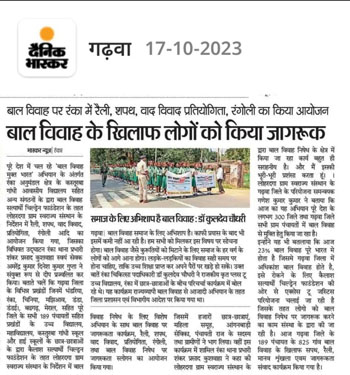
Child Marriage Free India Campaign Event :- On October 16, 2023, we led the Child Marriage Free India Campaign Event across Lohardaga, Gumla, and Garwa districts, covering 1235 villages. Working together with the District Education Department, Child Welfare Committee (CWC), District Child Protection Officer (DCPO), and Jharkhand State Livelihood Promotion Society (JSLPS), we organized various activities. People in different village spots pledged to stop child marriage. We also arranged rallies to spread awareness and gathered community support. As the evening approached, we held a candle march, symbolizing our strong resolve to end child marriage.
 |
 |
 |
|||
 |
 |
 |
|||
 |
 |
 |
|||
 |
 |
 |
|||
 |
 |
 |
|||
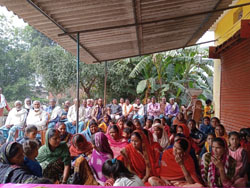
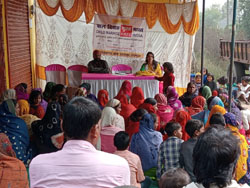
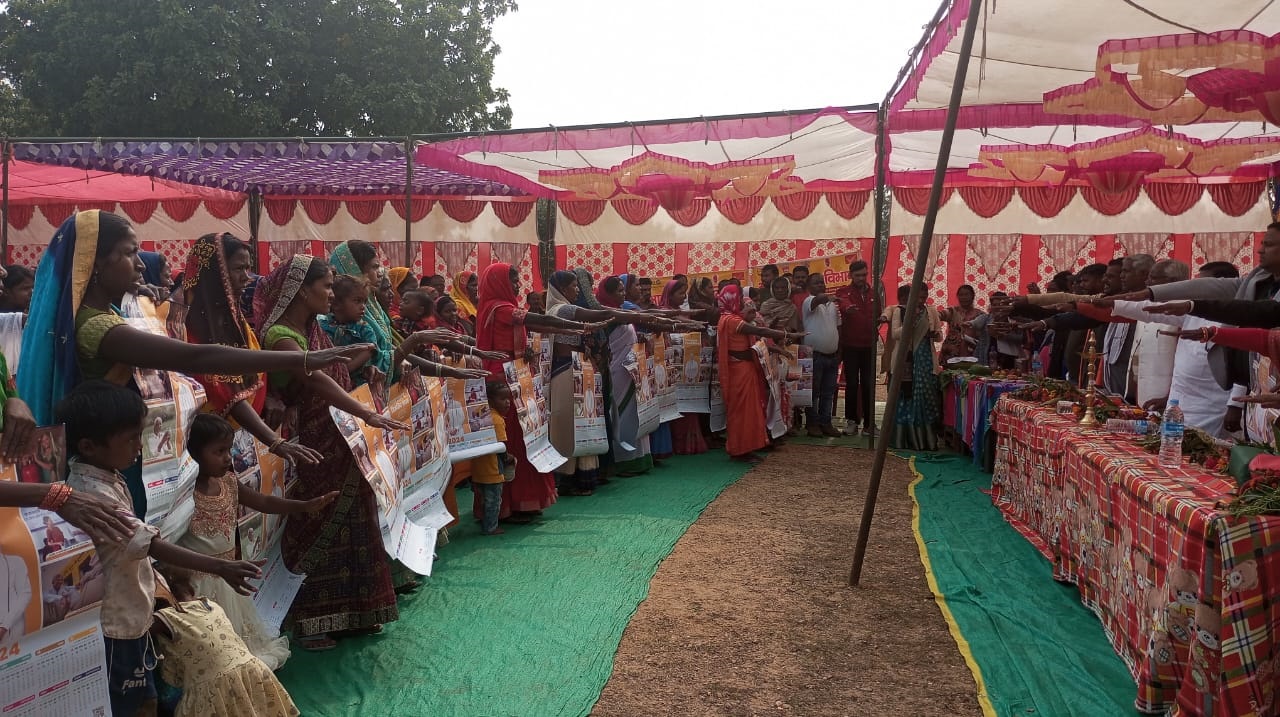
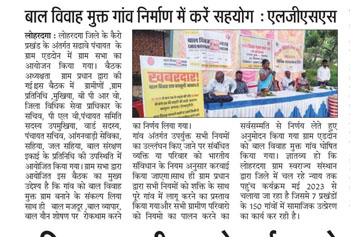
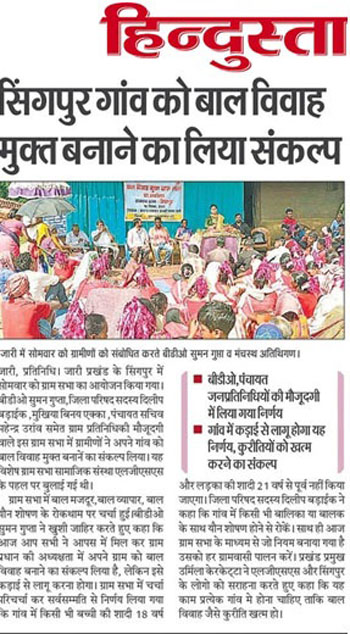
Organizing Gram Sabha :- Gram Sabha gatherings were convened across 233 villages within our intervention area. The primary objective of these assemblies was to foster unity among villagers and collectively pledge to eradicate child marriage from their communities. Through consensus and mutual agreement, the villagers resolved to declare their respective villages as child marriage-free zones, emphasizing their commitment to safeguarding the rights and well-being of children.
 |
 |
 |
 |
.jpeg) |
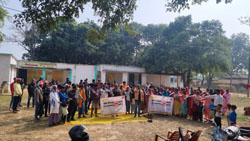 |
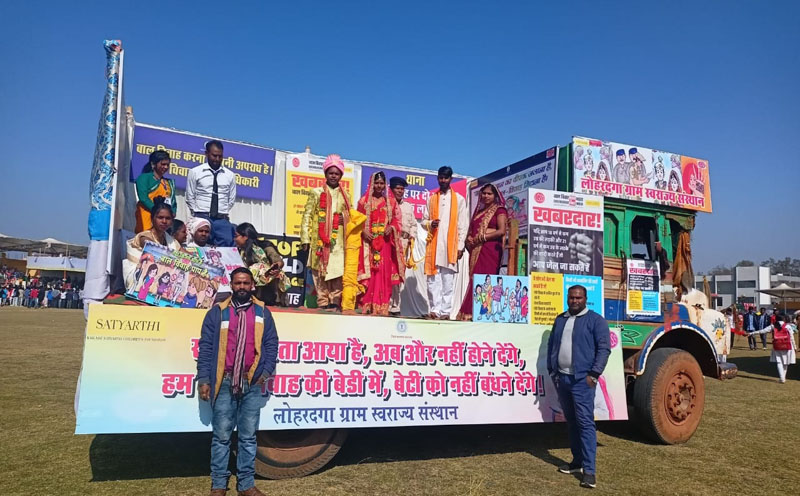
Tableau on 26 Jaunary :- On January 26th, a tableau against child marriage was paraded in Stadium.
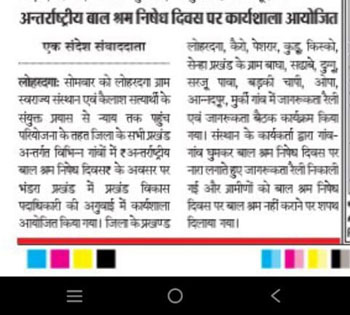
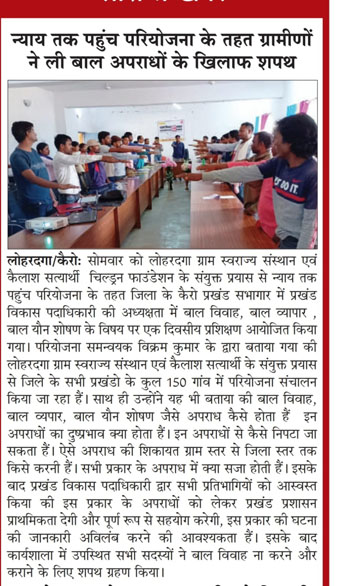
Media Coverage
 |
 |
 |
|||
 |
 |
 |
|||
 |
 |
 |
|||
 |
 |
 |
|||
Child Marriage Free India Campaign
Understanding the seriousness of the issue, the Hon’ble Supreme Court of India in W.P. Civil 382 of 2013 pronounced that the sexual intercourse committed by the husband upon his wife being sunder the age of 18 years with or without her consent can be constituted as rape. To address this, the most definitive and audacious commitment to end child marriage was made with the launch of Child Marriage Free India campaign. Child Marriage Free India (CMFI) is a nationwide campaign led by women leaders and a coalition of more than 160 NGOs spanning more than 300 districts working to eliminate child marriage in India. CMFI is working to attain the tipping point of child marriage, after which the society does not accept this evil practice and that will happen when the prevalence of child marriage is brought down to 5.5% by 2030, from the current national prevalence rate of 23.3%. This is being done by initially targeting 257 high-prevalence districts and gradually focusing on all the districts of the country. Child marriage results in child rape, resulting in child pregnancy, and in a large number of cases, may lead to child deaths. For decades, we have been losing generations of our children to child marriage. The Child Marriage Free India campaign has received extended support from various Departments and Institutions of over 28 States. So far, across India more than 5 crore people have taken the pledge to end child marriage over the last one year through the efforts of the Child Marriage Free India Campaign.

Tipping Point to end child marriage
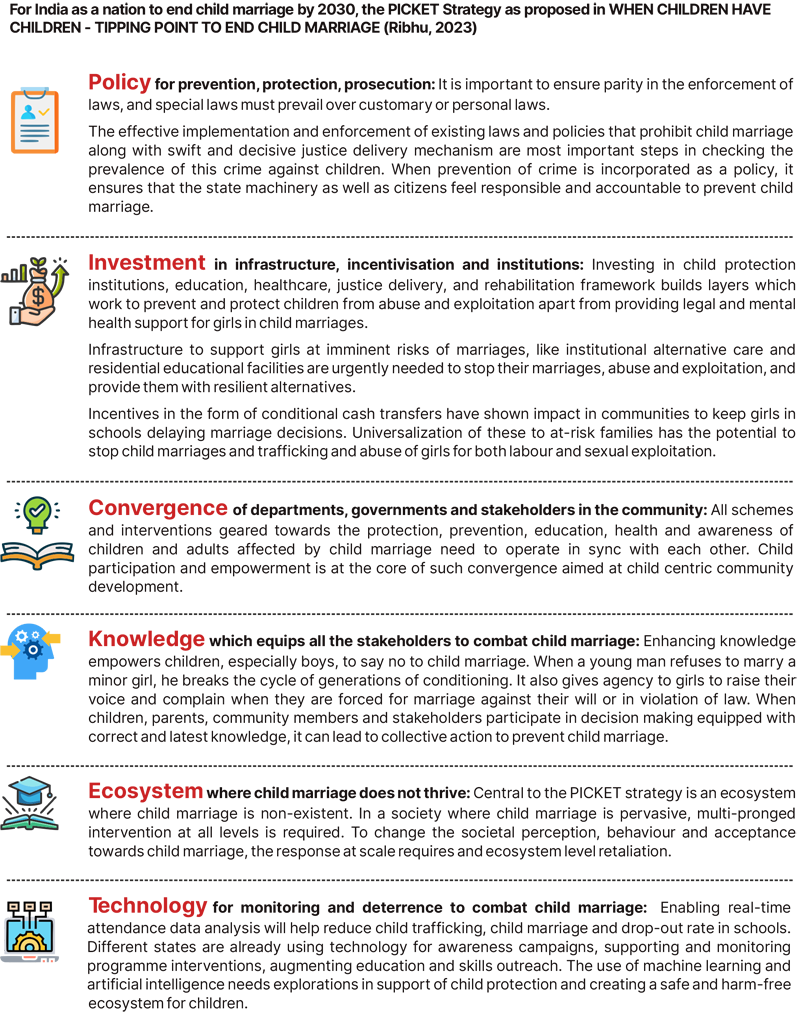
Noted child rights activist, author, Supreme Court lawyer and founder of CMFI campaign, Bhuwan Ribhu has authored a book – ‘When Children Have Children: Tipping Point to End Child Marriage’ and put forth a framework advocating a sustainable, holistic and focused strategy with time-bound targets and measurable indicators to make India child marriage free by 2030. This book shows the path to eliminating child marriage in India within the next decade. As suggested by the author in the book, by adopting a systematic, highly focused, and intensive intervention model, over a phased timeline it is possible to reduce the national child marriage prevalence levels to 5.5% —the threshold, the tipping point, beyond which the prevalence is anticipated to diminish organically with reduced reliance on targeted interventions.
Tipping Point Methodology
The aim of reduction of 60% of child marriage (in each of the phases) is assumed to bring down the incidence of child marriage to 5.5% in the next 9 nine years from 2021, from the last available estimates i.e., NFHS-5, till 2030. An additional assumption is that such a focused and elaborate intervention against child marriage would have a ripple effect. The tipping point analysis has been divided into two phases. The first phase will extend over a period of six years, starting in 2021. Subsequently, the second phase will span over a three-year period. It is expected that the national average for child marriage prevalence (percentage women aged 20-24 who were married before 18 years) would decline from 23.3% to 13.7% if the prevalence of child marriage is reduced by 60% in the 257 high-prevalence districts in the first phase followed by a further reduction of 60% in all districts across the country.
In order to reach the Tipping Point, the author has proposed a strategy at national and district level.
National Level strategy where Governments, Institutions, statutory bodies, etc. work towards prevention, protection, increased investment, improved prosecution, convergence and use of technology for monitoring
District Level strategy is similar to national level strategy but includes district administration, Panchayats, civil society, NGOs, other functionaries, parents and children who work collectively to prevent, report, and take action against child marriage.
Addressing the issue of child marriage, requires a comprehensive and coordinated approach of different government departments, institutions, statutory bodies, and civil society organisations.