
Health, Nutrition and Sanitation
Tribal areas in Jharkhand continue to suffer from poor access to health services, information and infrastructures and medical facilities. Mother and child mortality, malnutrition and diseases are disproportionately high among population living in these areas. Health has remained one of the priority areas our work in tribal districts of Gumla, Lohardaga, Latehar and Simdega. LGSS has been working in these districts to improve the awareness and access to quality healthcare services and nutrition for the tribal and marginalized communities.
Our ambit of works includes improving the status of health, nutrition and awareness among the tribal women, teenage girls, adolescents, pregnant mothers and child. Promoting safe practices on health and hygiene, behavioral change, sexual and reproductive health and rights, mental health, capacity building of frontline health workers such as Anganwadi/Sahiya/ANMs etc are some of the key activities we have undertaken as part of our health interventions. The organization has also been instrumental in mobilizing the community and awareness building related sanitation and supporting the mission of Swachh Bharat in elimination of open defecation in Lohardaga and Gumla district of Jharkhand.
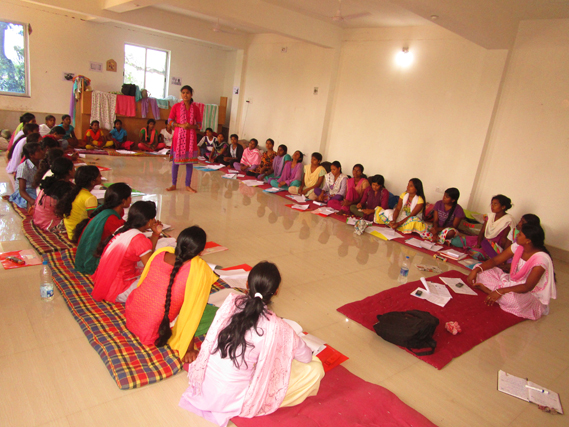
Adolescent’s Empowerment Program
Adolescent girls in Jharkhand face vulnerabilities that challenge their over development. This includes continued practices of early marriages, teen child bearing, sexual and gender based discrimination, low awareness about their rights and poor access to health services and information. According to National Family Health Survey- 4 (2016) report, teenage pregnancy is relatively higher in rural areas (1 out of 10 in 15-19 age groups) and more cause of concern among the tribal girls, more than 11%. The survey ranks Jharkhand as the fifth most vulnerable states in teenage pregnancy where 12 percent have already begun childbearing in the age group of 15-19. The situation further manifests in high infant and mother death rates. Through our adolescents empowerment program we have been working to empower girls aged between 10-19 years in building their understanding on health issues, access to health information and services, and enhance their participation in decision making and leadership roles at community level.
Menstrual Health and Hygiene Management
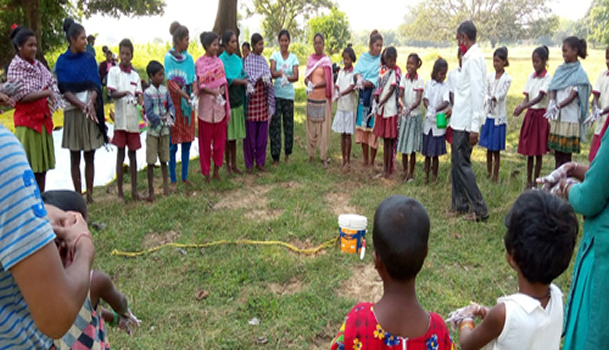
Menstrual Health and Hygiene Management for adolescents (MAHIMA) is a UNICEF funded project for the menstrual health and hygiene management of adolescent girls. The project aims to help adolescent girls voice their concerns surrounding menstruation by imparting proper knowledge, understanding of the importance of hygiene, enabling girls to talk about it, and facilitating behavioral change. Cultural practices and taboos around menstruation negatively impact the lives of women and girls, and reinforce gender inequities and exclusion. Menstruation leads to a number of problems in adolescent girl body. Moreover, there is a direct link between poor menstrual hygiene and urinary or reproductive tract infections and other illnesses. MAHIMA is being implemented in 272 villages from 57 Gram Panchayats in Gumla, Sadar, Sisai and Palkot blocks in Gumla district.
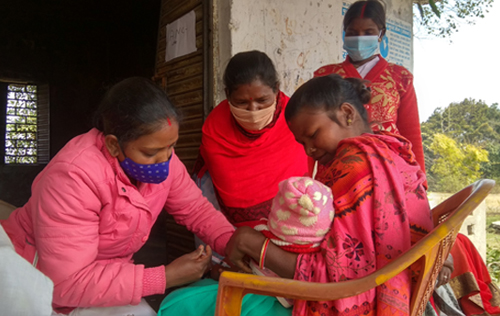
Mother and Child care
LGSS works to improve the lives of mothers and children through programmes focused on health, nutrition, education and capacity building. Our interventions are aimed at ensuring access to healthcare and nutrition, promoting safe motherhood, WASH (Water, Sanitation and Hygiene) interventions, protection of childhood illnesses and diseases, and awareness of the communities. LGSS also works in partnership with government, experts, local partners, and communities to ensure adequate healthcare services and nutrition among infants and children along with the well-being of mothers and caregivers.
Swachh Bharat Mission
To achieve the universal sanitation coverage and elimination of open defecation, LGSS has been working in Lohardaga and Gumla districts of Jharkhand under the Swachh Bharat Mission. The organization has been associated in sanitation program since the Total Sanitation Campaign and Nirmal Bharat Abhiyan of Government of India in past. With the support of UNICEF and district administrations we have engaged in mass awareness campaigns and social mobilization of community through various trainings programs, capacity building workshops, events such nukkad natak, rallies and wall writing for changing the behavior of community and individual households towards use of toilets.